
Why AI Is Not Fixing Talent Acquisition
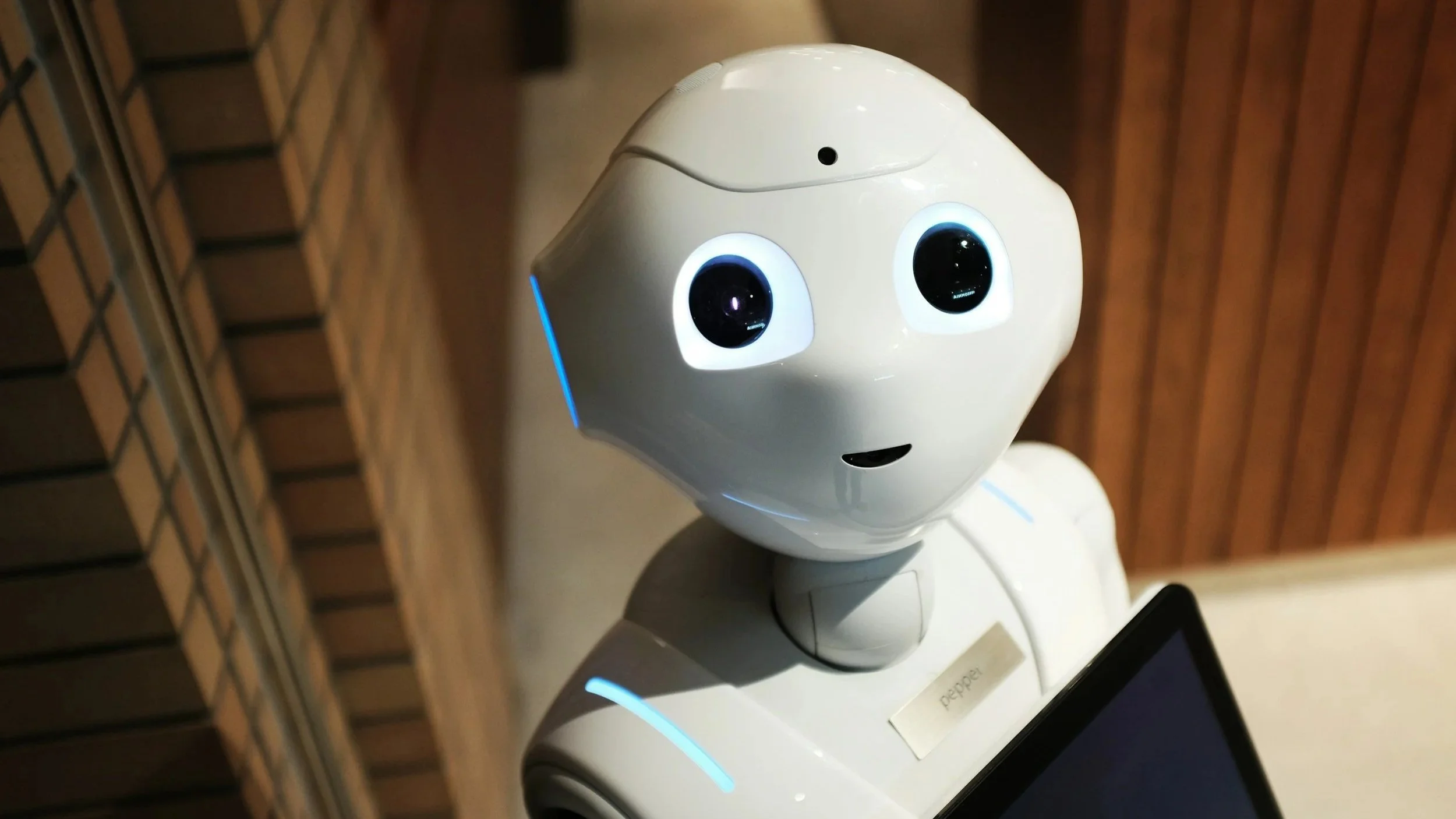
Artificial intelligence is being sold to employers as the answer to hiring.
It will save time.
It will reduce bias.
It will improve matching.
It will help recruiters find better people faster.
And while some of that may be true from a speed and efficiency standpoint, I am not convinced it is improving what matters most: quality of hire.
In fact, one of the biggest problems with AI in talent acquisition is that the case for it is often built on productivity claims rather than hiring outcomes.
Speed is not the same thing as better hiring
Most of the strongest claims around AI in recruiting focus on efficiency: faster sourcing, quicker screening, easier scheduling, more automation, and less administrative work. That may absolutely help a recruiting team move faster.
But faster does not automatically mean better.
Even major recruiting reports acknowledge that quality of hire is notoriously difficult to measure. LinkedIn said exactly that in its Future of Recruiting report, and HR.com similarly noted that each organization has to define and measure quality of hire for itself.
That matters because once you strip away the hype, there is still not much strong, independent proof that AI has meaningfully improved quality of hire across the board.
What I found instead was this:
a great deal of vendor-led optimism,
a great deal of self-reported benefit,
and a recurring admission that quality of hire is hard to define, hard to track, and often inferred rather than proven.
HR.com’s 2024–25 research is especially telling. One way it measured quality of hire was by asking recruiters and hiring managers what percentage of their last year’s hires they would make again. Only 24% said they would rehire 90% or more of those hires. That is not exactly a ringing endorsement of modern hiring effectiveness.
The real problem: AI can process people, but not know them
Talent acquisition is not only a matching exercise.
It is not just resume language, keyword alignment, or scoring patterns.
The best recruiters and hiring leaders are doing something much more human than that. They are building trust, listening carefully, reading nuance, noticing inconsistencies, assessing motivation, and understanding how someone may actually show up inside a team.
That is where AI falls short.
AI may be able to identify surface-level fit. It may help organize applicants. It may even help narrow a pool. But relationship-building, character assessment, and cultural alignment are not data-clean problems with clean outputs.
They are judgment problems.
And judgment is exactly where over-automation can make hiring worse.
Relationship building matters more than ever
A good recruiter does more than fill a role.
A good recruiter earns candor from candidates. They learn what the résumé does not say. They hear hesitation. They understand why someone is leaving, what kind of manager brings out their best work, and whether their values actually line up with the organization.
That cannot be fully automated.
Especially in nonprofit hiring, leadership hiring, and mission-driven work, candidates are not interchangeable profiles. They are people making values-based decisions. If your process feels robotic, impersonal, or overly filtered, you may lose the exact people you most want to attract.
Character assessment is not a keyword search
This is another place where AI is often oversold.
You can automate pattern recognition. You cannot automate wisdom.
Character shows up in how someone responds to setbacks, how they talk about colleagues, how they handle accountability, how they define success, and whether they are energized by the actual work or just the title.
Those things are not easy to score. They often emerge through conversation, follow-up, and human discernment.
AI may summarize an interview transcript. It may rank competencies. But that is not the same as understanding a person.
Culture match is not a formula
I also worry about the confidence people place in AI-driven “fit” decisions.
Culture match is already a dangerous phrase when misused. Done badly, it becomes code for sameness. Done well, it means alignment on working style, mission, expectations, communication, and values.
That requires context.
It requires knowing the team.
It requires knowing the leader.
It requires knowing where the culture is healthy, where it is broken, and what kind of person will actually thrive there.
No algorithm understands that the way an experienced recruiter or hiring leader can.
There are also trust, fairness, and legal concerns
There is another issue that should not be ignored: AI in hiring is not just a technology question. It is a trust and compliance question.
The EEOC has made clear that employment selection tools, including AI-based tools, can violate federal anti-discrimination law if they create unlawful adverse impact, and employers remain responsible for those outcomes.
At the same time, research on applicant reactions shows that perceptions of fairness and trust matter. A 2025 study in Humanities and Social Sciences Communications found that AI-enabled interview formats affected candidates’ intention to apply.
So even if an AI tool makes your process more efficient, it may still weaken candidate trust, reduce perceived fairness, or create a colder experience.
That is a serious tradeoff.
My view: use AI as an assistant, not as a hiring philosophy
I am not anti-technology.
I am anti-lazy hiring disguised as innovation.
Use AI to draft outreach.
Use it to summarize notes.
Use it to save time on low-value admin work.
Use it to support recruiters.
But do not confuse efficiency with discernment.
Do not confuse automation with relationship-building.
Do not confuse scoring with judgment.
And please do not assume that because AI helps you process more applicants, it is helping you choose better people.
Because right now, the evidence for that is much weaker than the marketing.
Bottom line
The heart of talent acquisition is still human.
The best hires happen when someone takes the time to understand the role, the team, the leader, the culture, and the person. That work is relational. It is interpretive. It is thoughtful. It is human.
AI may help recruiters move faster.
I have yet to see convincing independent evidence that it helps them get to know people better.
And in hiring, that difference is everything.